
Scope of Service
Technical Capabilities
- pH value – one of the most common water quality tests performed;
- Electrical conductivity – provides insight as to how many contaminants exist in the water and have the ability to transmit electricity;
- Hardness – hard water can cause mineral buildup in plumbing, fixtures, and water heaters, and poor performance of soaps and detergents;
- Alkalinity – a measure of the ability of the water body to neutralize acids and bases and thus maintain a fairly stable pH level;
- Determination of elements by inductively coupled plasma mass spectrometry (ICP-MS) method – elements such as cadmium, chromium, arsenic, and lead have significant biological toxicity and are harmful to human health;
- Total suspended solids (TSS) and total dissolved solids (TDS) – high levels of TSS affects turbidity, increase water temperatures and decrease dissolved oxygen levels. TDS can cause water hardness and scale formation;
- Ammonium and total nitrogen – high levels in lakes and streams can promote the growth of algae, which in turn can clog water intakes and use up dissolved oxygen;
- Chlorine – combines rapidly to form chemicals such as dioxins that pollute water, contaminate living organisms.
- Phenols – among the chemicals of major concern, it is because of their tendency of persistent in the environment for a long period of time and toxic effects;
- Sulfide – causes serious corrosion and it is toxic to fish and other aquatic organisms;
- Cyanide – may be found in water from discharges from organic chemical industries, it is harmful to humans and most aquatic life even at low concentrations;
- Total petroleum hydrocarbons (TPH) and hydrocarbon oil index – extensive release of a wide variety of contaminantsinto the environment affects surface water and groundwater.
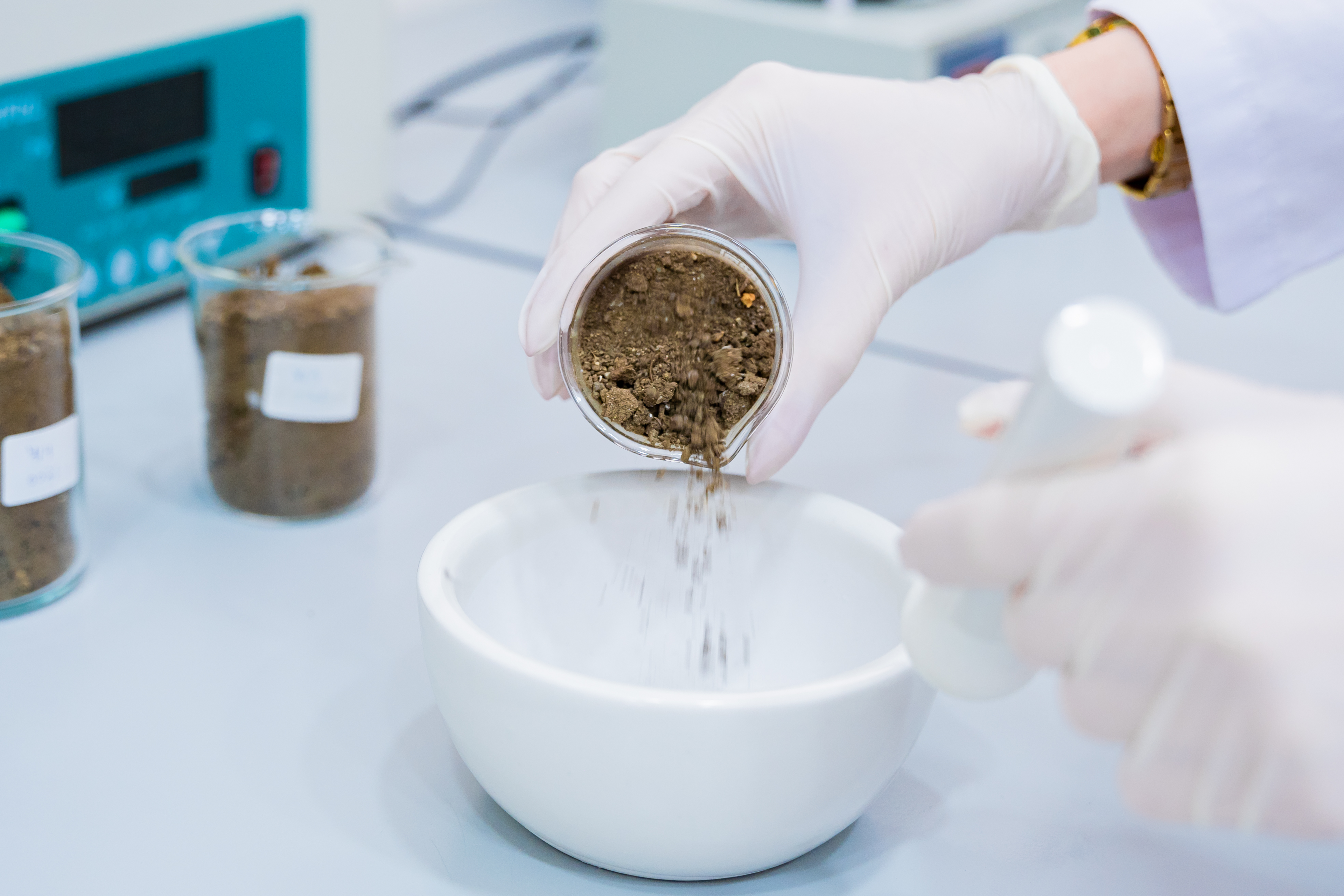
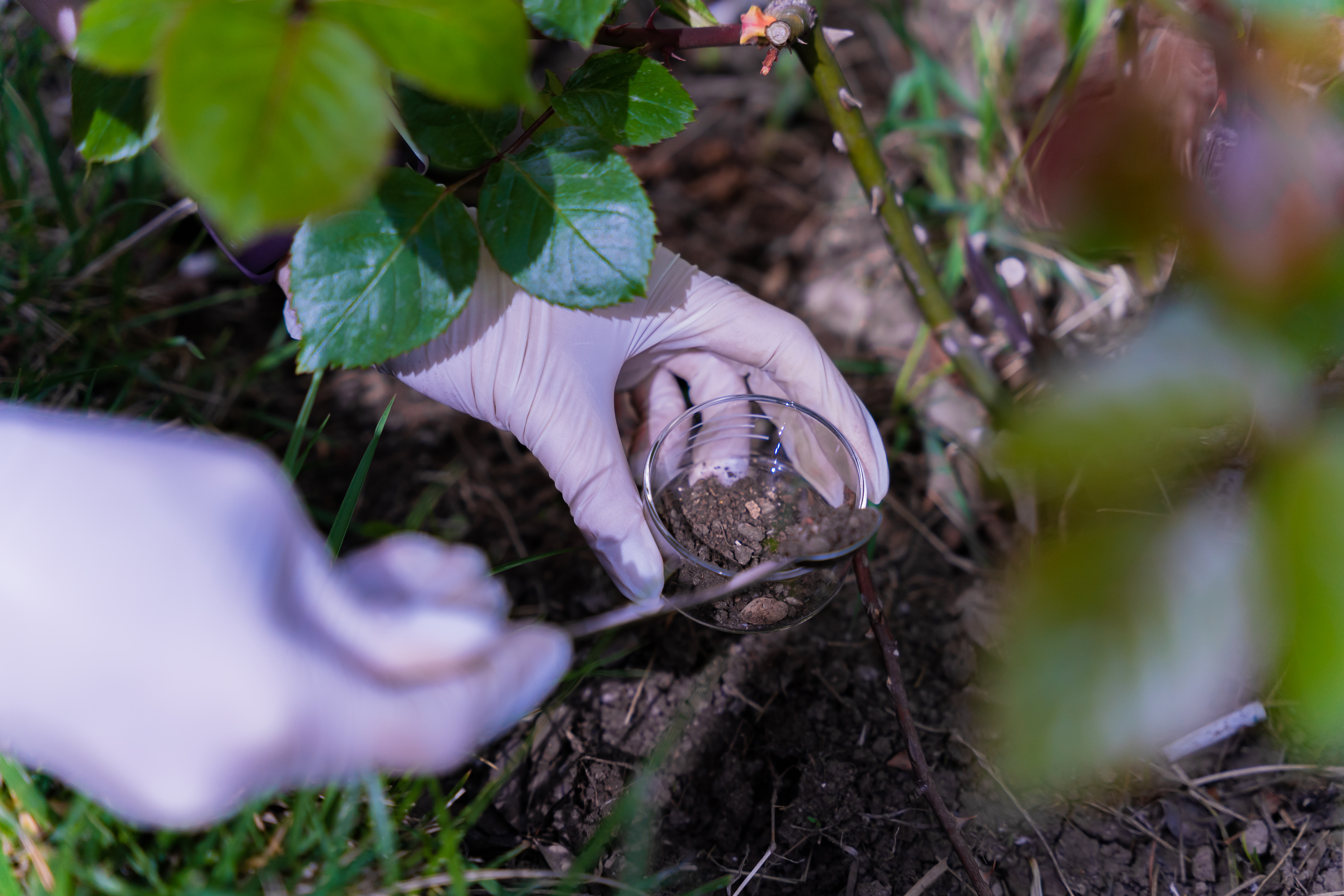
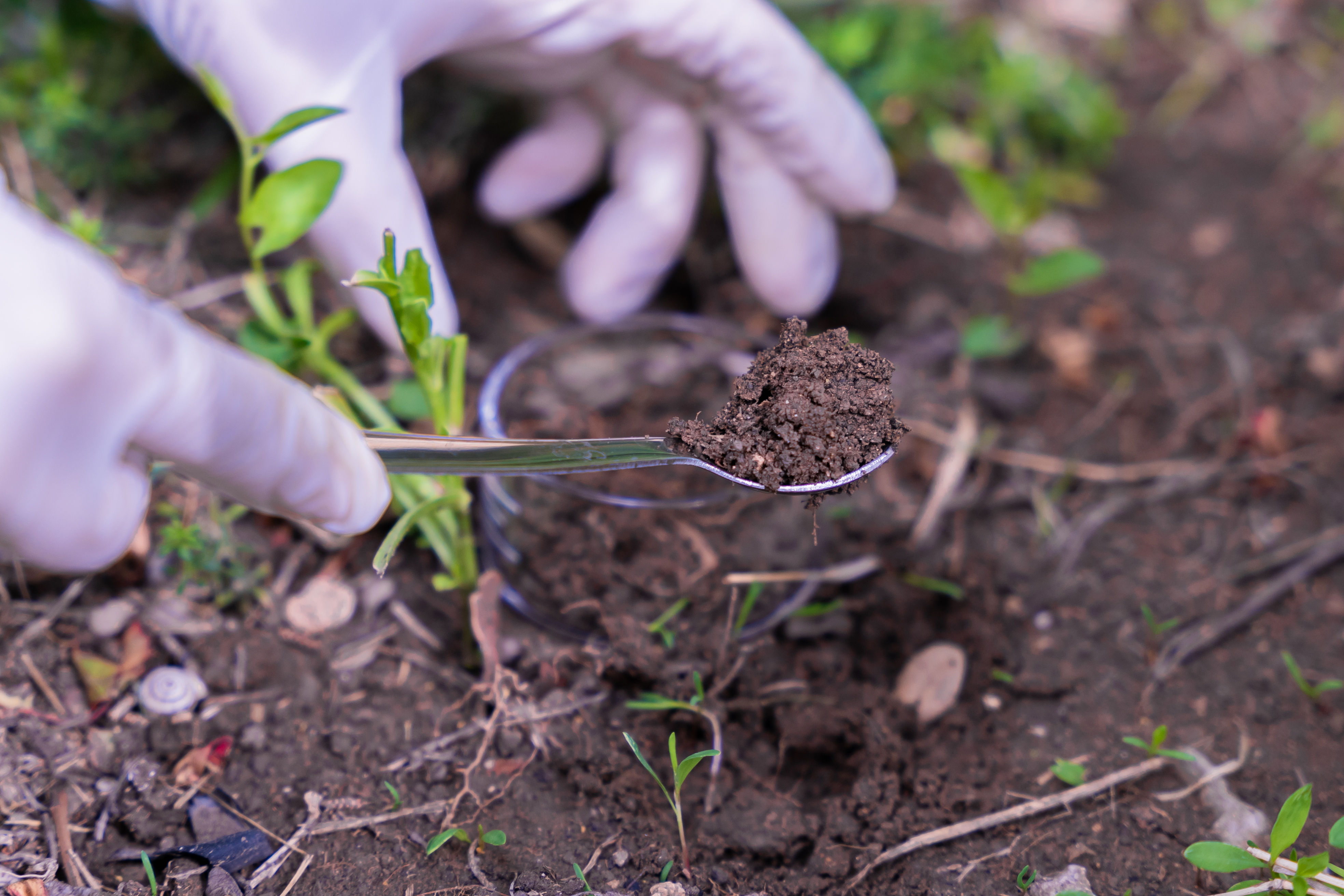
Soil quality testing:
- pH value – affects the amount of nutrients and chemicals that are soluble in soil water, and therefore the amount of nutrients available to plants;
- Determination of elements by inductively coupled plasma mass spectrometry (ICP-MS) method–heavy metals are toxic to soil, plants and human health if their concentration is high in the compost;
- Total nitrogen – excess nitrogen can damage delicate plant species, unbalancing the ecosystem;
- Phenols – acute toxic effects of phenols in soil may include the death or low growth rate in plants;
- Cyanide – most of cyanides are deposited in the environment as complexes with low toxicity, but due to the light, they convert into highly toxic and volatile free cyanides;
- Water content – the major component of the soil in relation to plant growth;
- Humus – makes the soil porous, thereby increasing its air holding capacity and gives the soil the ability to absorb and retain moisture;
- Mobile compounds of phosphorus – a constituent of plant cells, essential for cell division and development of the growing tip of the plant;
- Exchangeable aluminium – high levels of aluminium are toxic to some plants and are associated with acidic soil.
Execution & DeliveryResults and
Results and
documentation.
- Standard turnaround
- 3–5 business days for standard reports.
- Report format
- PDF report with findings, analysis, recommendations, and supporting documentation.
- Rush requests
- Confirm same-day or next-day express service availability with the team.
Methods & Standards
ASTM
Methodical approaches for accuracy and reliability.
ISO/IEC
International quality standards.
Quality Control
Verification at every stage of the process.
Your Technical InquiryLet's clarify
Contact Us